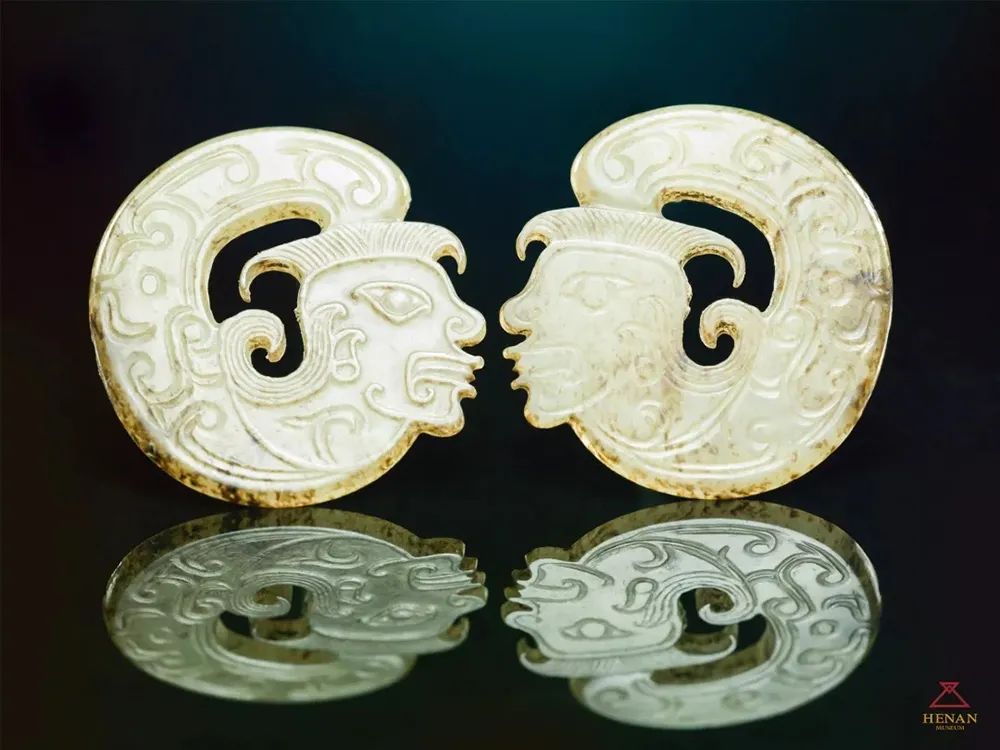
Spring and Autumn Period
Introduction
The Spring and Autumn Period (770-476 BC) is a significant era in Chinese history, marked by social, cultural, and political transformations. This period derives its name from the "Spring and Autumn Annals," a chronicle attributed to Confucius that provides a record of the state's events. The era is part of the Eastern Zhou Dynasty, following the Western Zhou's decline, and it precedes the Warring States Period.
Historical Context
During the Spring and Autumn Period, China was fragmented into numerous small states, approximately 170 at its height, which were often in conflict with one another. This fragmentation led to a complex political landscape where power struggles were common, and alliances shifted frequently. The period is characterized by the decentralization of the Zhou Dynasty's power, leading to the rise of various regional warlords and the gradual erosion of royal authority.
The Zhou kings remained figureheads, with little real control, as regional nobility held actual power. This era saw the emergence of influential states such as Jin, Chu, Qin, and Qi, which played pivotal roles in shaping the period's events.
Cultural and Technological Developments
One of the most notable achievements of the Spring and Autumn Period was the advancement in metallurgy, particularly bronze casting. The period witnessed the creation of intricate bronze artifacts, including ceremonial vessels and weapons, which were often used in rituals and as symbols of power. The Ding Tripod and other artifacts from archaeological sites across China, such as the Henan Museum and the Shaanxi History Museum, provide insights into the sophisticated craftsmanship of the time.
This era also saw significant development in Chinese philosophy and literature. It was a time when great thinkers like Confucius and Laozi emerged, laying the foundations for Confucianism and Taoism, philosophies that would profoundly influence Chinese culture and society for millennia.
Archaeological Discoveries
Several significant archaeological findings from the Spring and Autumn Period shed light on the social and cultural life of the era. Notable sites include:
Henan Museum: Home to a collection of bronze artifacts, including a bronze ding unearthed from the tomb of a king of Zheng State. These discoveries illuminate the rituals and daily lives of the nobility during this period.
Shaanxi History Museum: Houses artifacts like the Diaosheng dou, a shallow-bellied food vessel, reflecting the artistic and utilitarian advancements.
Hongshan Archaeological Site in Wuxi: Regarded as the birthplace of Wu culture, it features a tomb complex from the Spring and Autumn Period (770-476 BC) and the Warring States Period (475-221 BC) along the lower reaches of the Yangtze River.
Legacy
The Spring and Autumn Period left a lasting legacy on Chinese civilization. The rise of philosophical thought during this time laid the groundwork for later intellectual developments and governmental structures. The era's historical narratives continue to inspire cultural and artistic expressions, reflecting the period's enduring influence on China's historical consciousness and identity.
Overall, the Spring and Autumn Period represents a formative era that was pivotal in shaping the course of Chinese history, marked by both internal strife and remarkable cultural achievements.








